

Clear information leads to better decisions. Whether you're purchasing a home, managing maintenance, or investigating a specific concern, we provide the insights you need to understand your property and move forward with confidence.
our services
-
A thorough evaluation of the home's major systems and components, designed to help buyers and sellers make informed decisions. We focus on functionality, occupant safety, and structural integrity.
Your cloud-based report, complete with photos, videos, and detailed findings, is delivered the same day as the inspection.
Duration: Approximately 3 hours, depending on the property.
-
A proactive inspection for homeowners who want to stay ahead of small issues before they become expensive problems. We evaluate the home’s major systems and key hard-to-access areas, including the roof, attic, crawl space, inside the electrical panel, etc to help identify changes, concerns, and maintenance needs.
Available for clients whose original home inspection was performed by Spotlight Inspection.
Duration: Approximately 2 hours, depending on the property.
-
Before your builder's warranty expires, we'll revisit your home and evaluate its major systems and components for defects, performance issues, and warranty-related concerns. It's a proactive way to ensure problems are identified while they're still covered.
Available for clients whose original home inspection was performed by Spotlight Inspection.
Duration: Approximately 2 hours, depending on the property.
-
A reinspection is a follow-up visit to verify that repairs or corrections identified during our original inspection have been completed. We'll review the specific items requested and provide an updated assessment of their current condition.
Available for clients whose original home inspection was performed by Spotlight Inspection
Duration: Approximately 1 hour, depending on the number of items being reinspected.
-
When a specific concern requires a closer look, we provide a focused evaluation of an individual system or component. Whether it's a roof, crawl space, attic, HVAC system, or another area of the home, we'll assess its condition and help you better understand any findings.
Duration: Approximately 1 hour, depending on the property.
-
Out of sight shouldn't mean out of mind. Using a high-resolution sewer camera, we inspect the home's underground sewer line for defects, obstructions, root intrusion, and signs of deterioration.
A sewer scope can reveal costly issues that aren't visible during a standard home inspection, providing valuable peace of mind before you buy. We recommend this service on nearly every property with a municipal sewer connection—including new construction homes. It's especially important for older homes and properties with mature landscaping. (Not applicable to homes on septic systems or most condominiums.)
Duration: Approximately 1 hour, depending on the property.
Not sure which service you need?
Call, text, or schedule online—we'll help you choose the right option.
Sample Reports
Every home is different. Browse a few real-world examples to see how we document findings, communicate concerns, and help clients make informed decisions
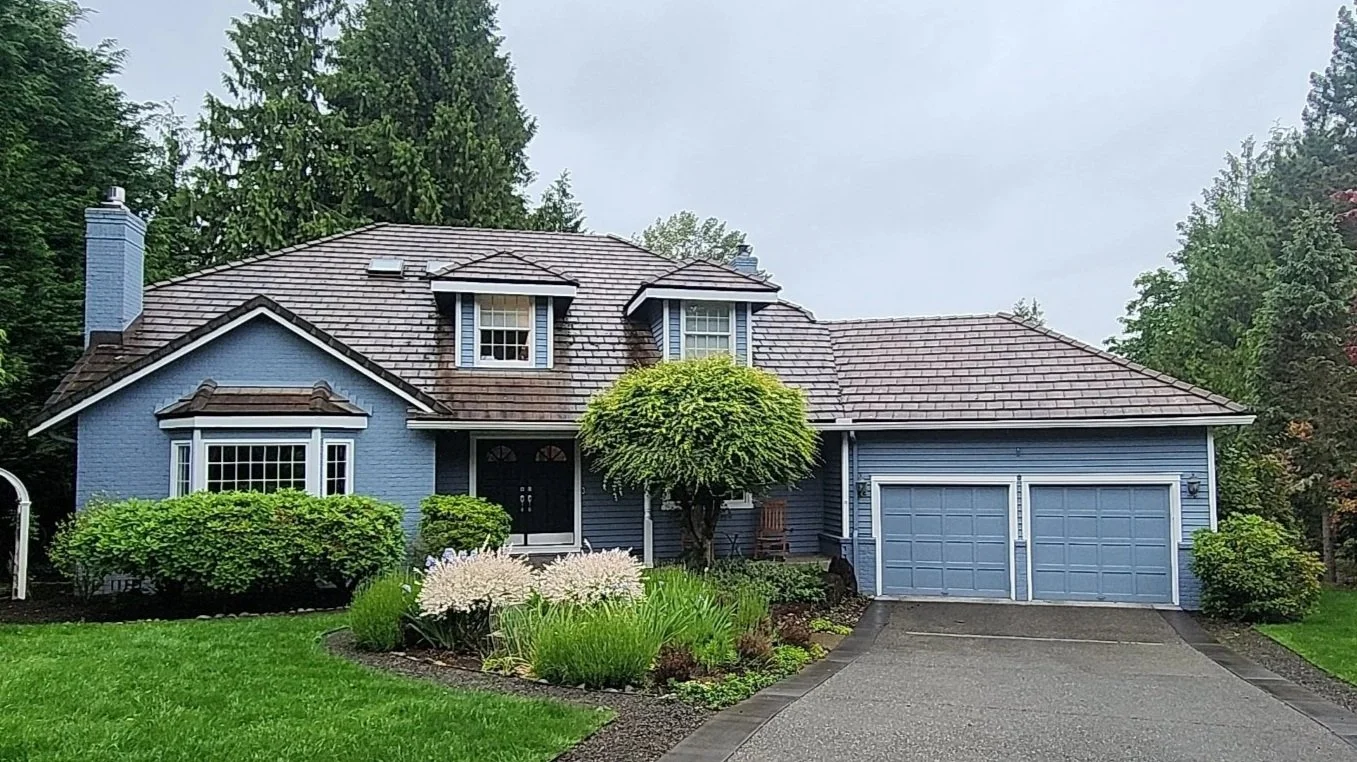
A well-cared-for home with only minor defects and routine maintenance recommendations.
Well-Maintained 1980s Home
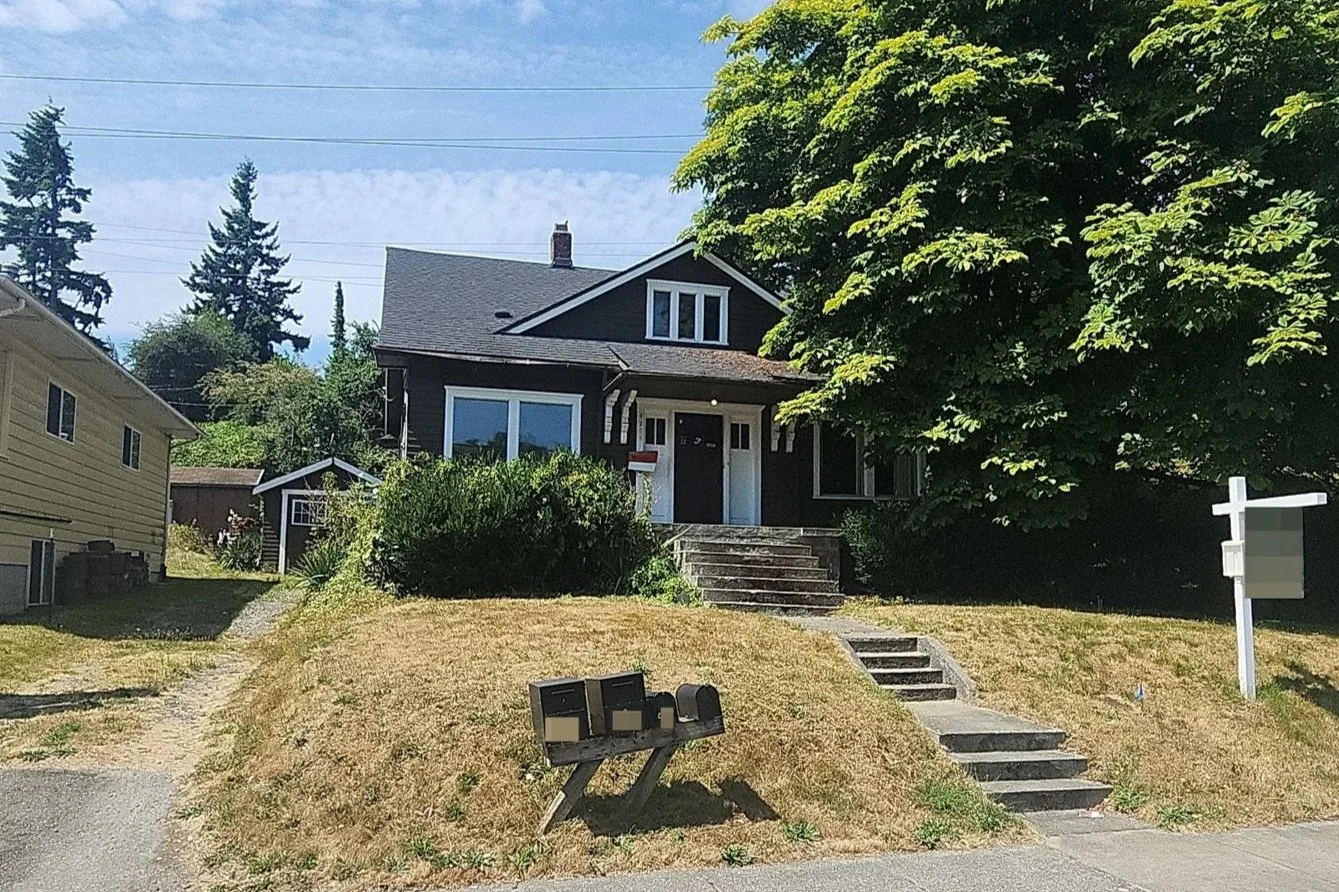
An older home with major concerns, deferred maintenance, and a sewer scope inspection.
1910s Home with Significant Defects
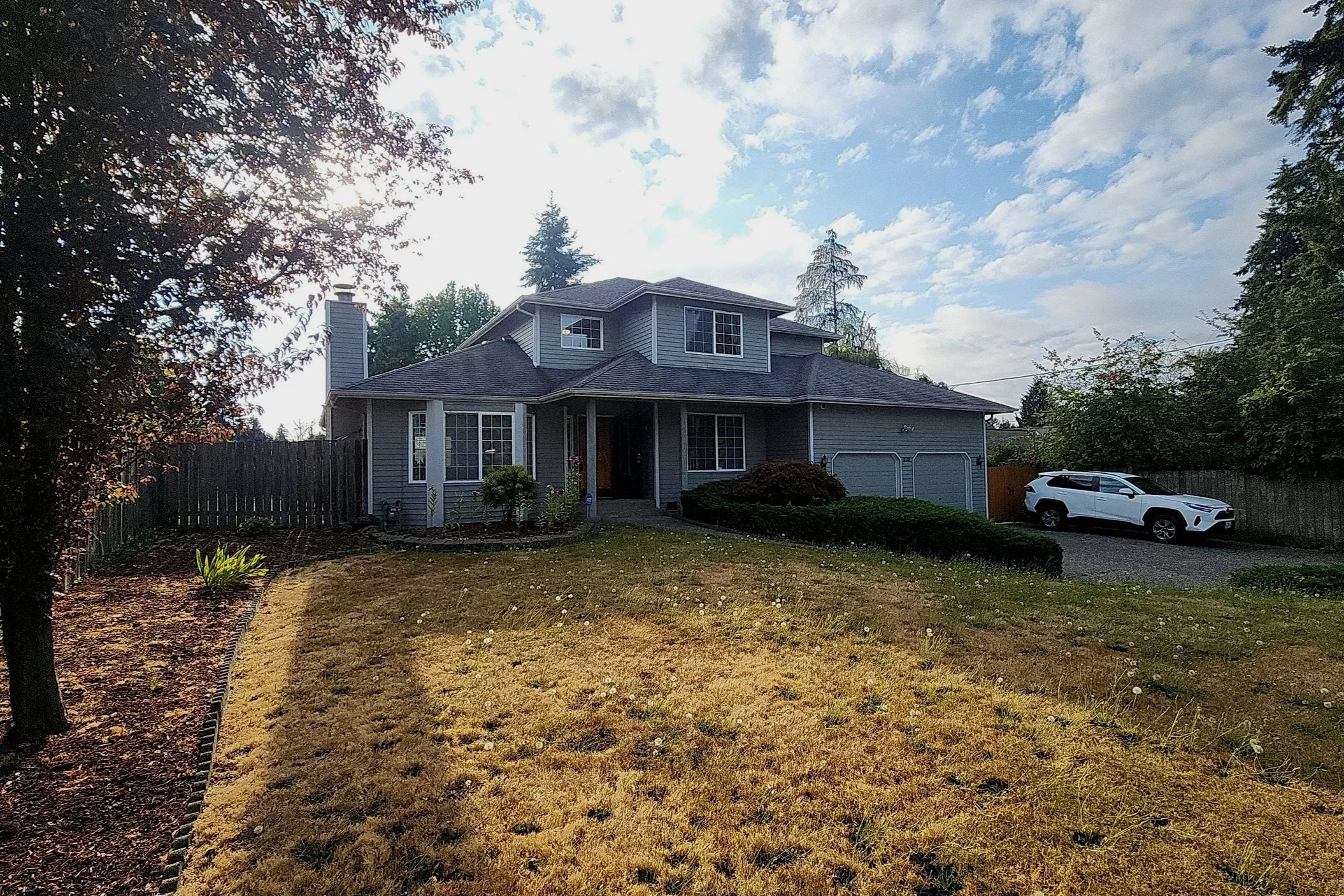
1990s Home with Deferred Maintenance
A home with aging components, maintenance concerns, and a sewer
scope inspection.
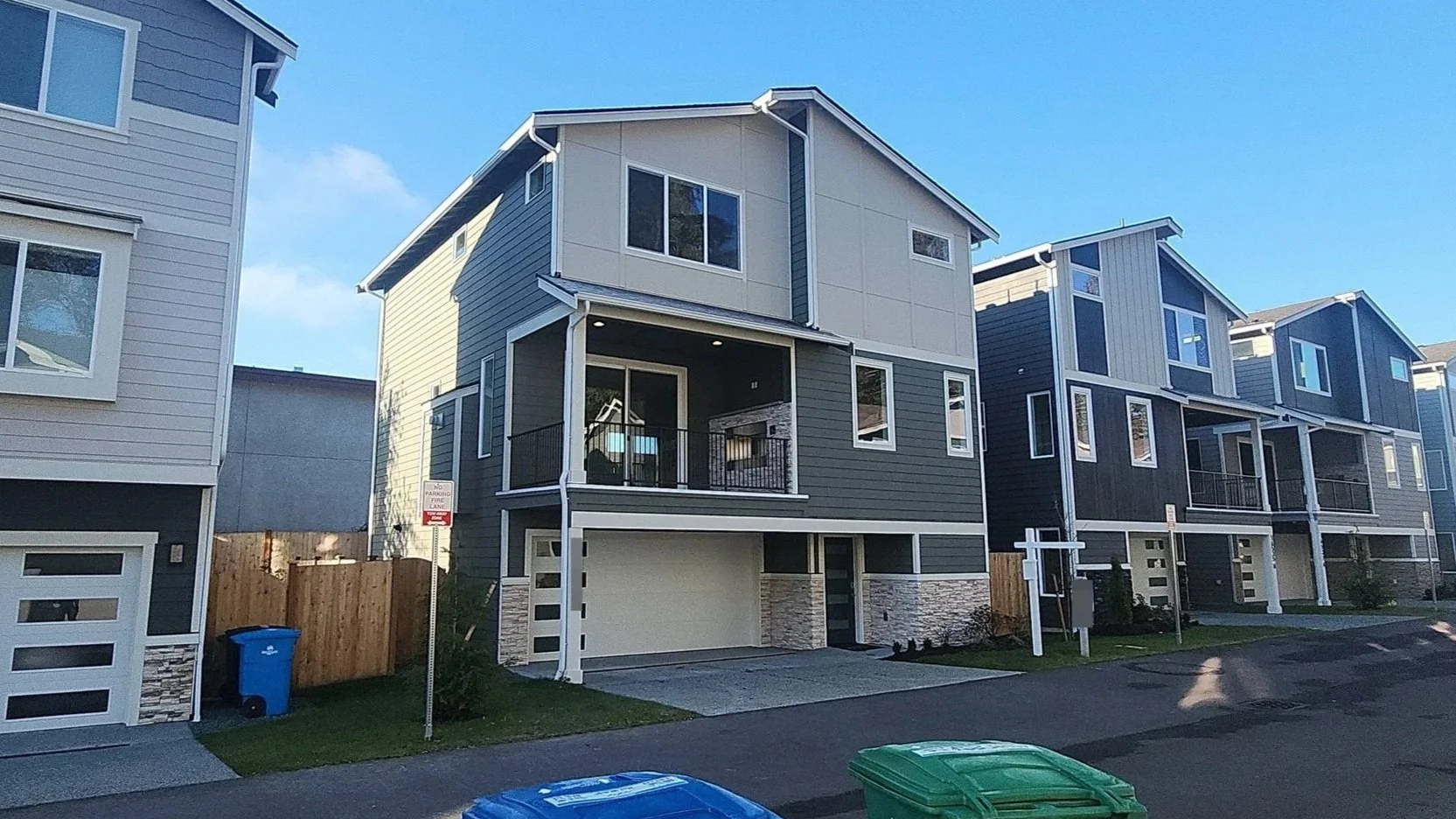
New Construction Home with Significant Defects
A newly built home with workmanship concerns, incomplete items, and a
sewer scope inspection.
Common Questions
Do I need a sewer scope?
We recommend a sewer scope on every property connected to municipal sewer, including new construction homes. While significant defects are more common in older homes, we've found issues in homes of every age. Sewer repairs often start around $1,000 for a simple cleaning, but can quickly reach tens of thousands of dollars depending on the severity of the issue, making a sewer scope one of the most cost-effective inspections available.
How long does a home inspection take?
Most inspections take approximately 3 hours, depending on the property's size, age, and complexity.
When will I receive my report?
Reports are always delivered the same day as the inspection, often within just a few hours.
Can I attend the inspection?
Absolutely. While you're welcome to attend the entire inspection, many clients prefer to join us during the final hour. This gives us an opportunity to review the property's major systems, discuss any significant findings, and answer questions without requiring you to spend several hours following us through attics, crawl spaces, and mechanical rooms.
Why don't you offer walk & talk inspections (verbal commentary without a written report)?
We've chosen to focus exclusively on comprehensive home inspections because we believe buyers are better served by a complete inspection and written report.
Home inspections often involve more information than most people can reasonably absorb during a single walkthrough. A written report allows clients to review findings, revisit photos, and consider recommendations at their own pace.
Because we provide same-day reports in virtually all cases, clients can get the information they need quickly while still receiving detailed documentation that comes with a comprehensive inspection.
Do homes pass or fail a home inspection?
No. Unlike a municipal code inspection, a home inspection does not result in a pass or fail grade. Our job is to identify visible defects, safety concerns, maintenance items, and potential future expenses, then explain why they matter.
A home inspection is similar to a physical exam with a doctor. Some issues can be identified immediately, while others may require further evaluation by a specialist. The information in the inspection report helps you understand the property's condition and make an informed decision.
Some homes may be acceptable to one buyer but not to another. Factors such as budget, risk tolerance, future plans, and willingness to make repairs can all influence that decision. Ultimately, it is up to you—not the inspector—if the house passes or fails the inspection!